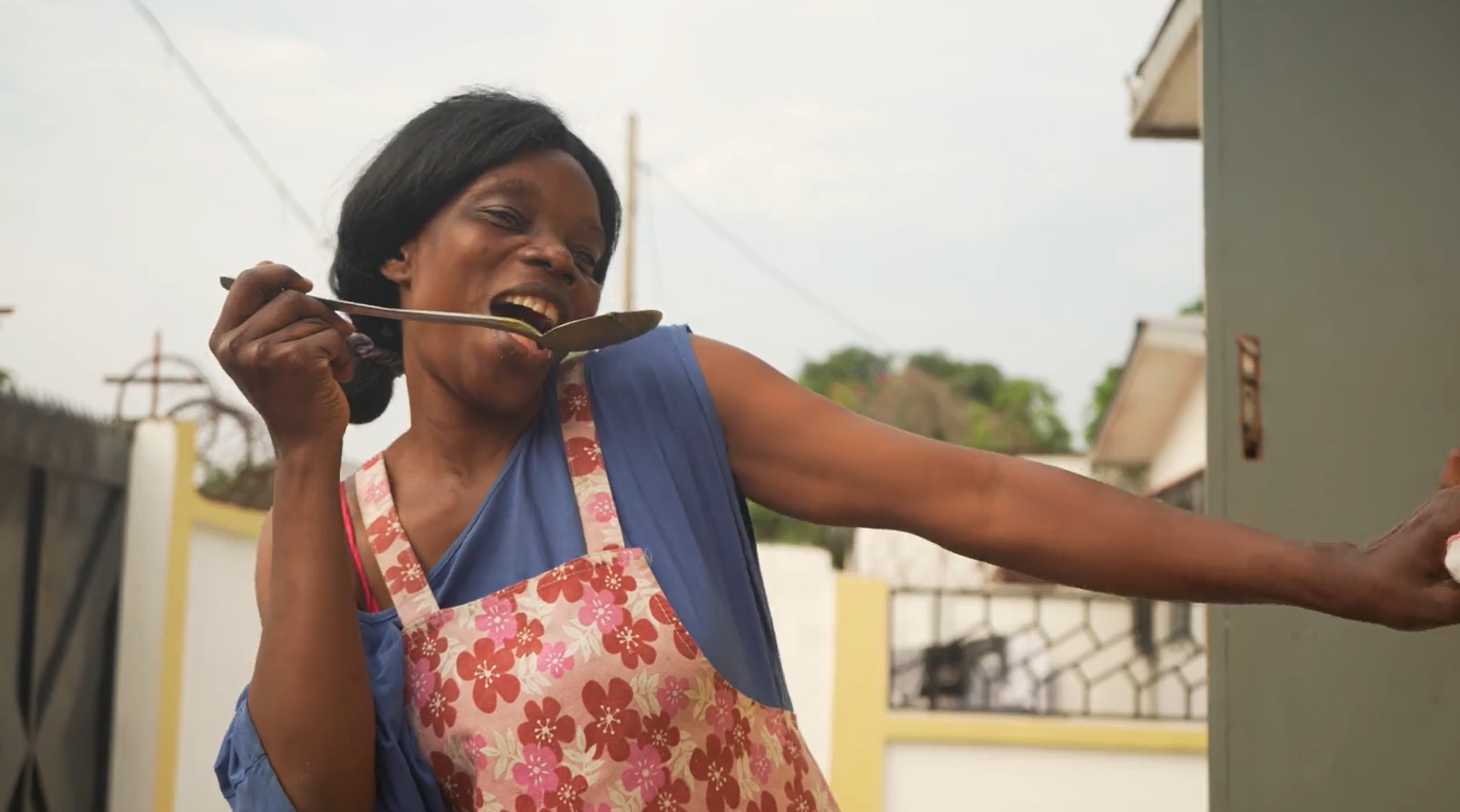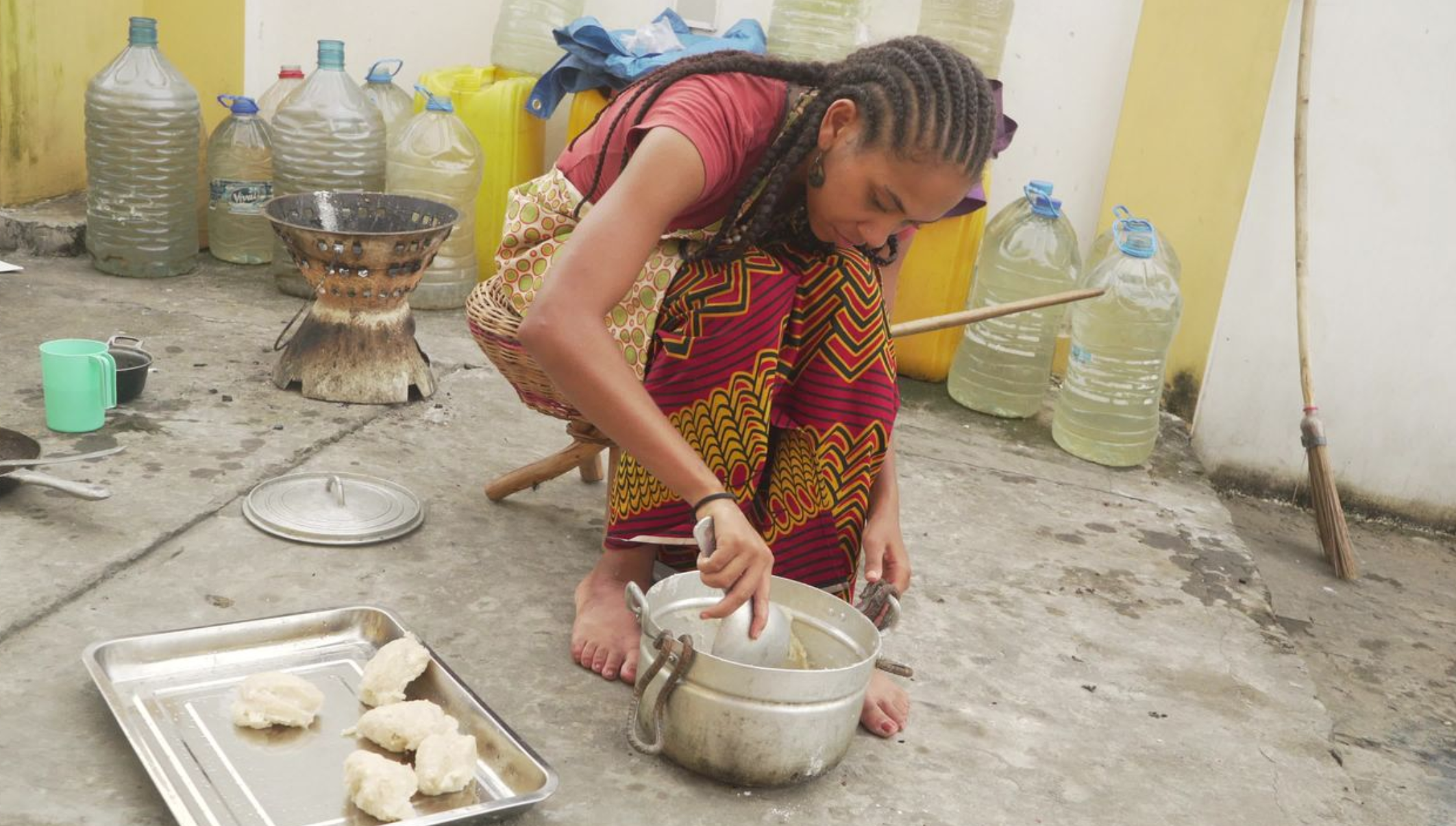
Research: Bridge a Gap in KnowledgeDevelop and distribute a trauma and culturally-informed knowledge base on best practices for safe spaces for African women.
Through in-depth survivor-centered, artistic methodologies, we aim to meet women and health providers where they are at by first listening to their lived experiences. By doing this, we can co-design solutions that directly address the nuanced barriers that prevent African women from healing.
Core Research Values:
Safety and joy above everything - We put the safety of all actors in research as the first priority.
Continuous consent - We regularly provide space for women to participate as much or as little as they prefer
Women are treated with full respect as people–not as “subjects” nor as “participants.”
Radical transparency - We communicate and spell-out fully our intentions, purpose, and goals in a manner that everyone understands – avoiding the usage of classic research jargon.
Previous projectLeveraging Film Photography to Understand the Environmental Drivers of Violence and Barriers to Healing Amongst Young Congolese Women at University.
The Ministry of Women’s Promotion and Development in the Republic of Congo expressed a need for programs in support of university students who experience violence.
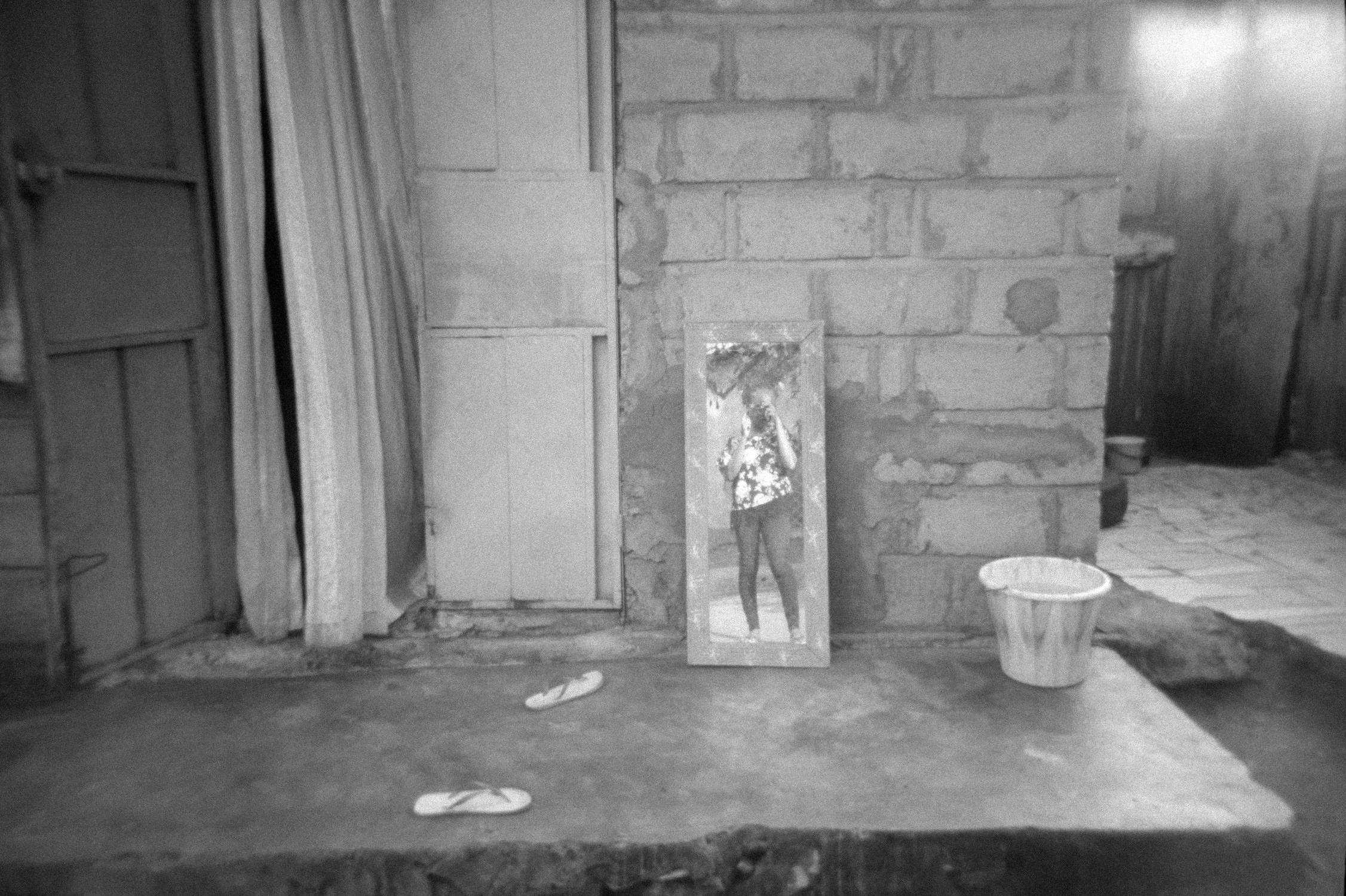
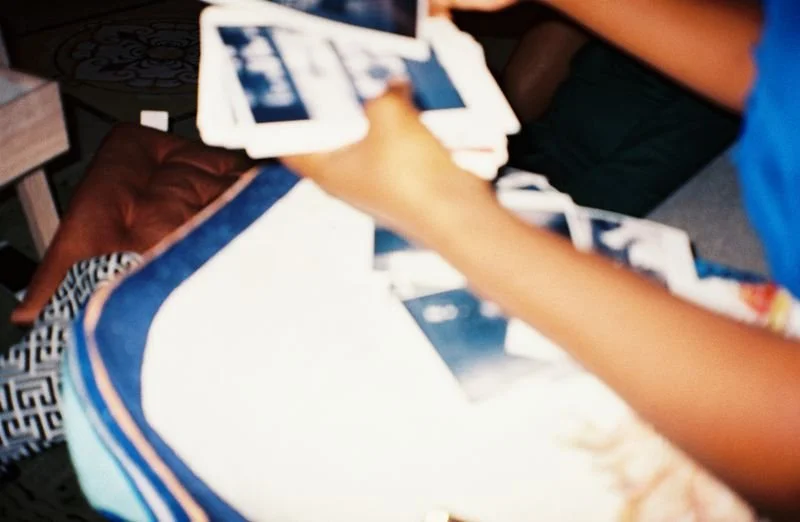
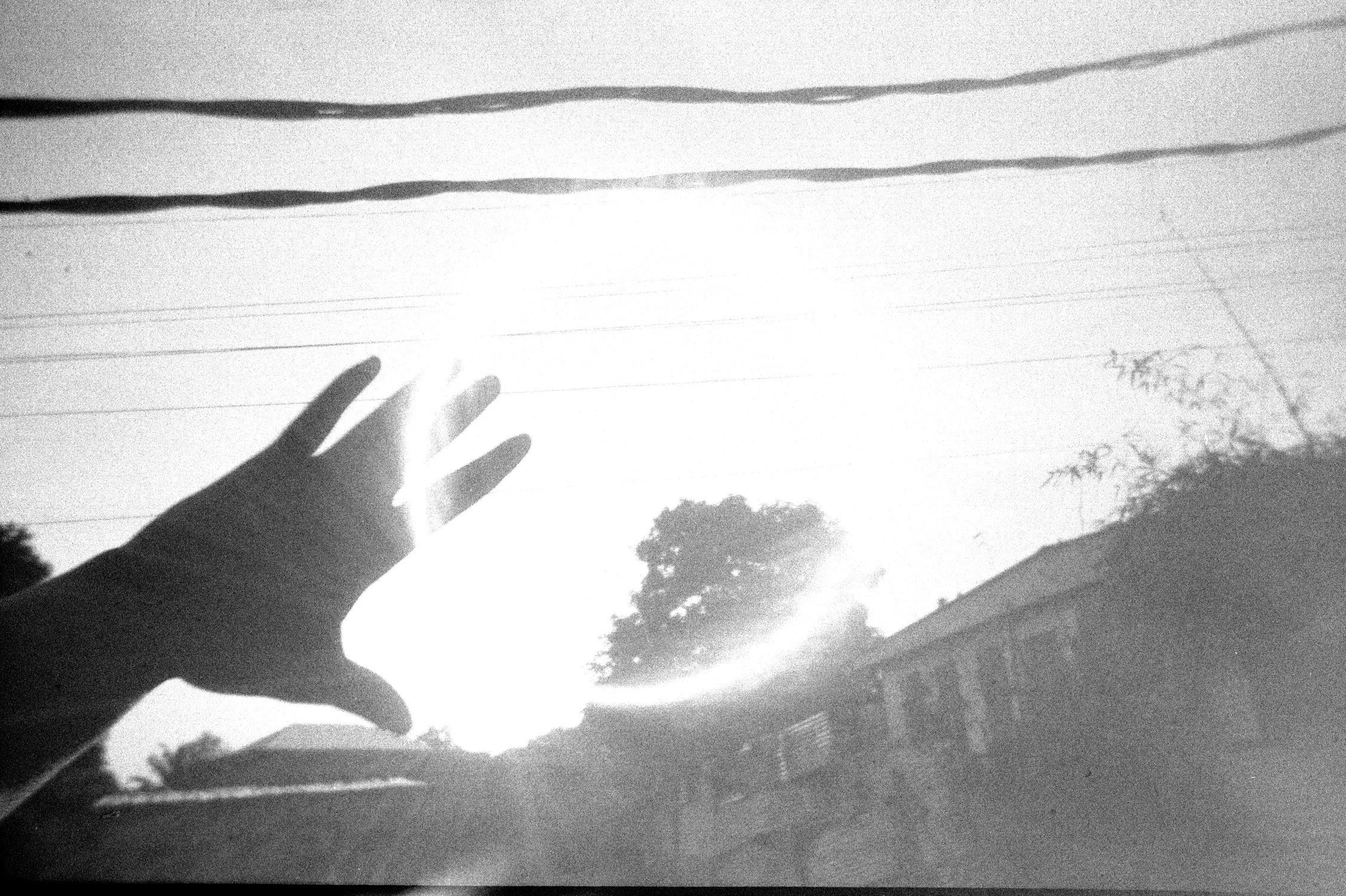
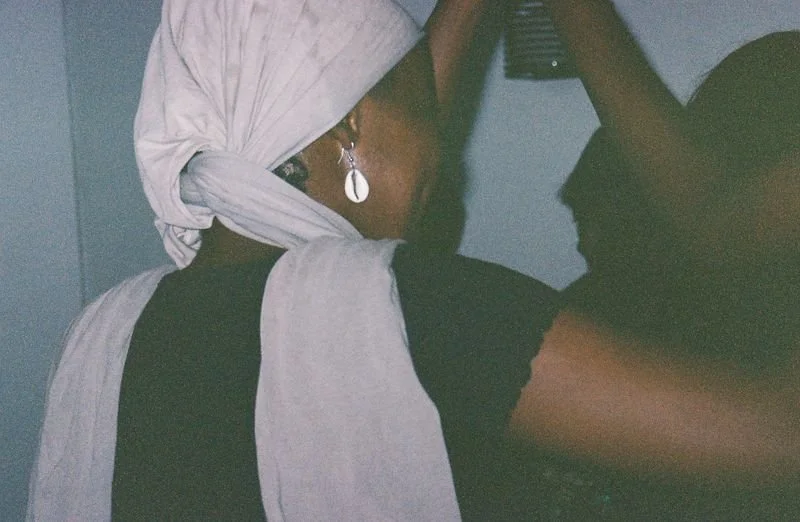
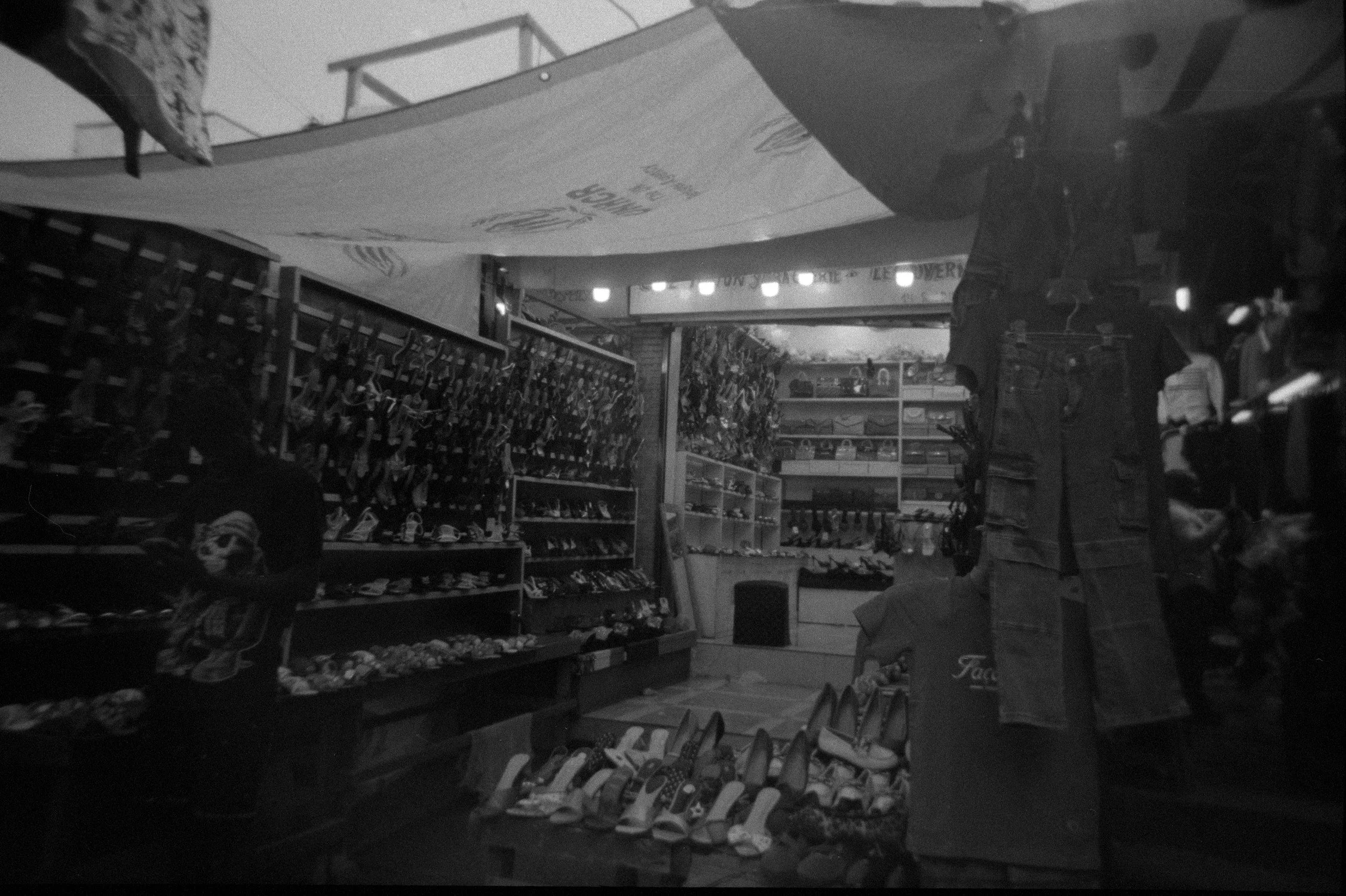
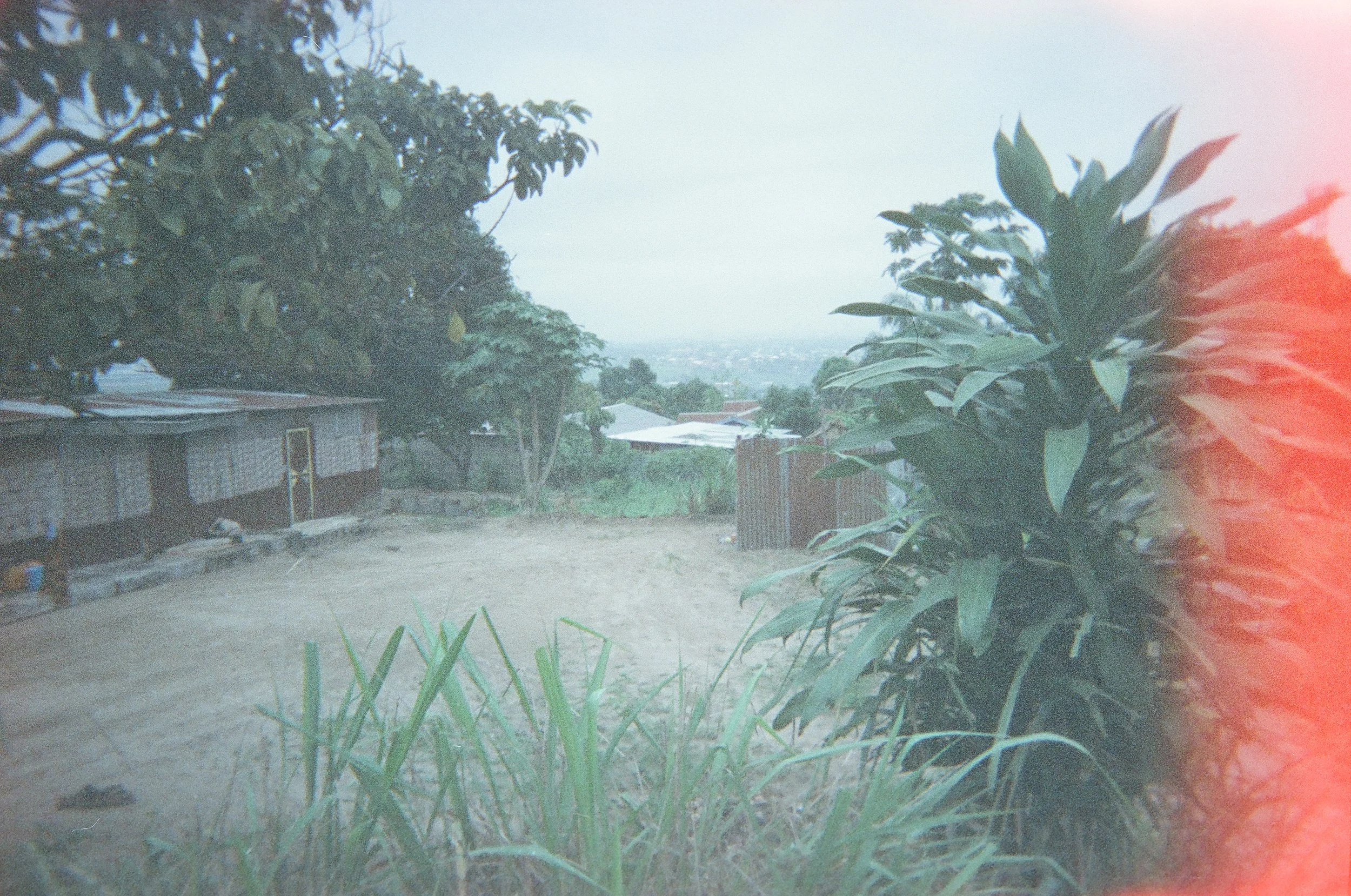
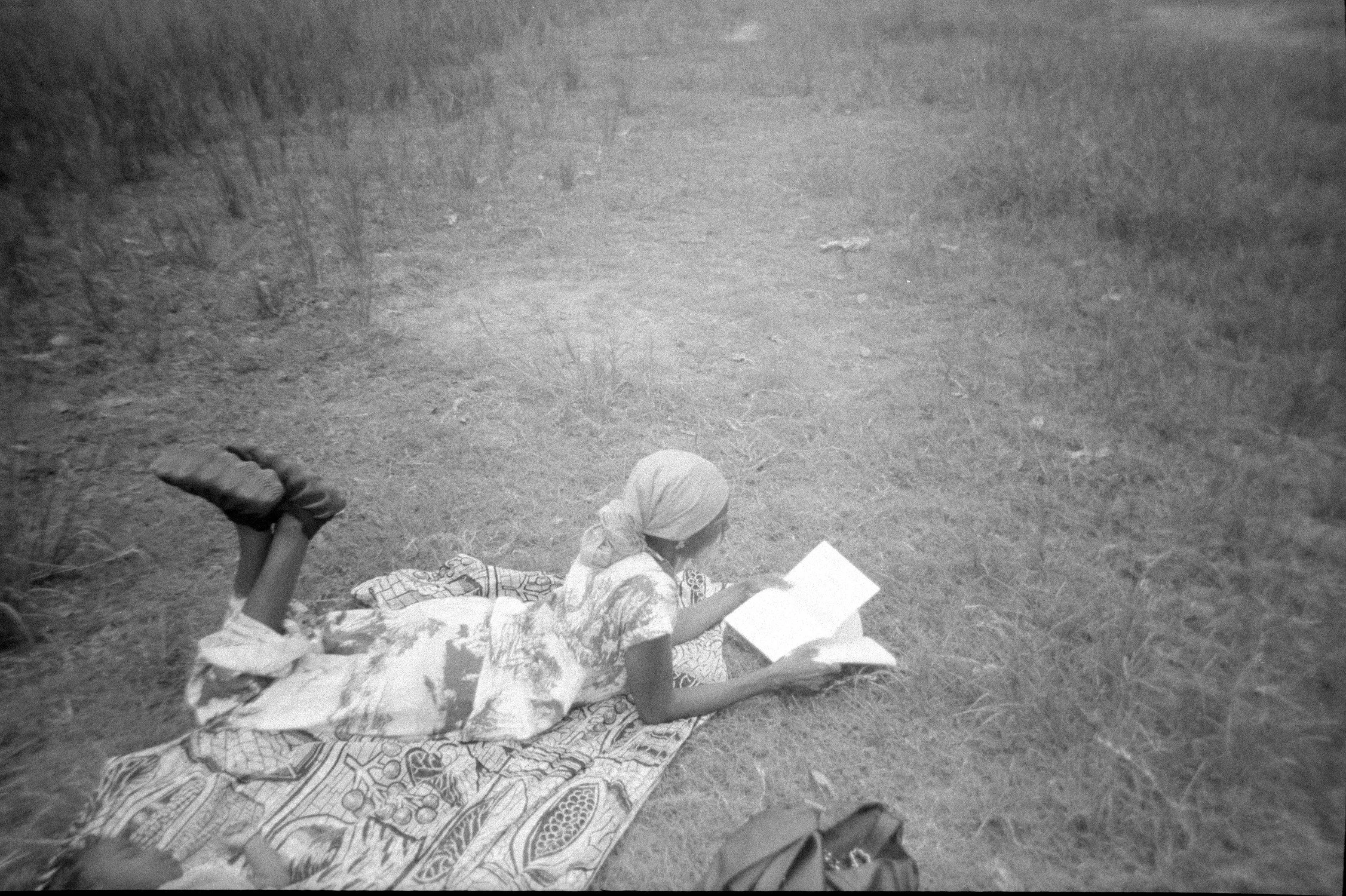
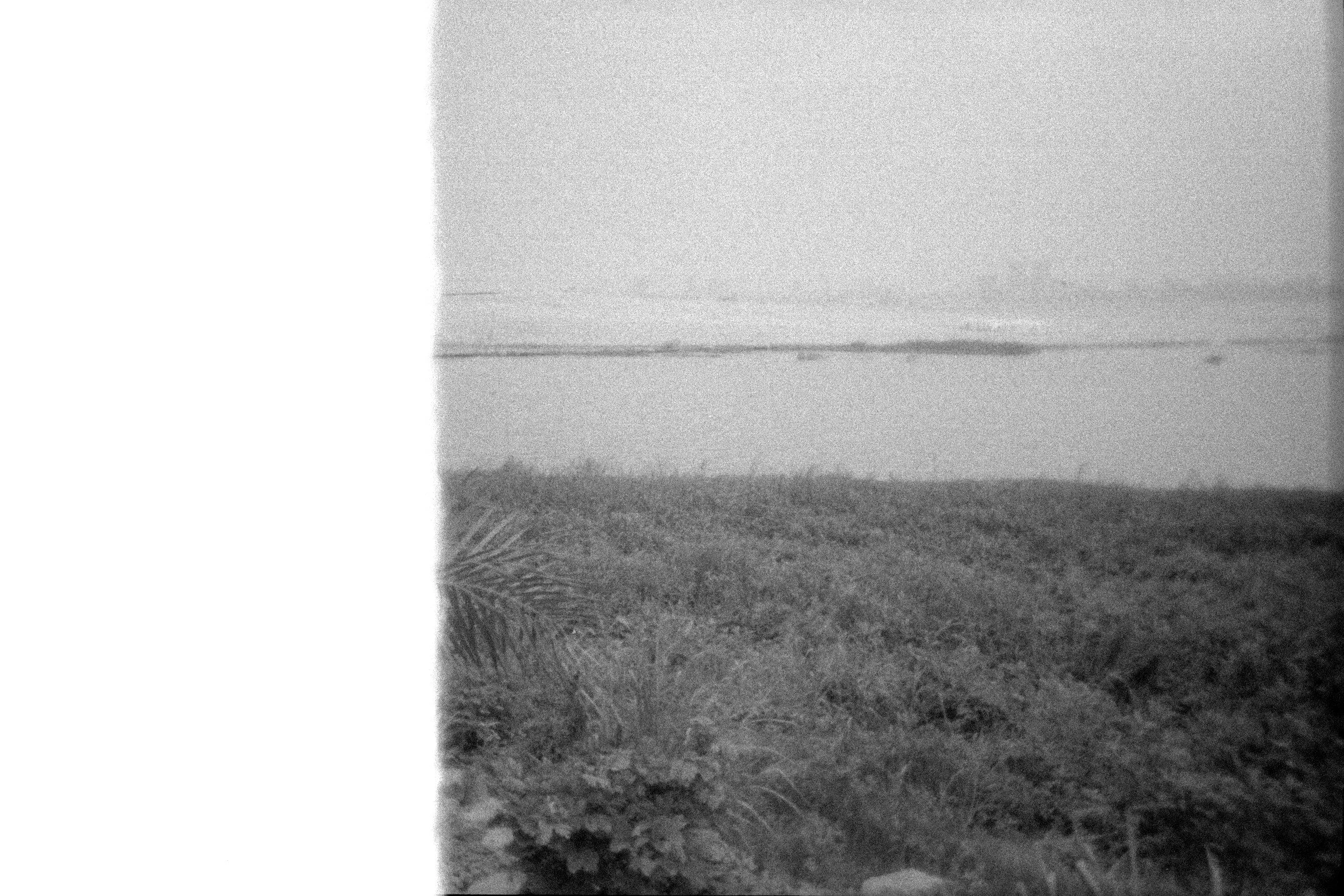
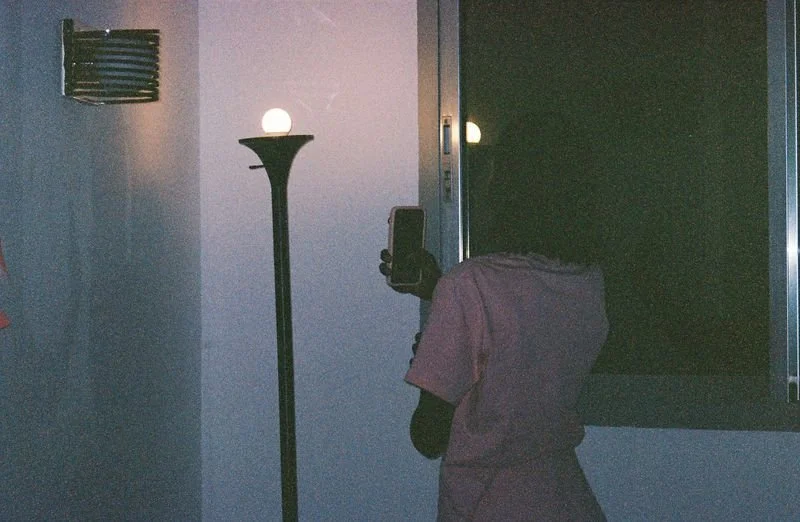
In partnership, we surveyed 17 young Congolese women students at university to learn from their experiences and barriers to healing and completing their education after experiencing violence. We implemented a survey to understand where they were at in their healing journeys and conducted semi-structured interviews to dive deeper into their lived experiences. Finally, we provided a free film photography masterclass and loaned cameras for 24 hours to each woman to document moments, spaces, and people in their environment that stimulate healing.
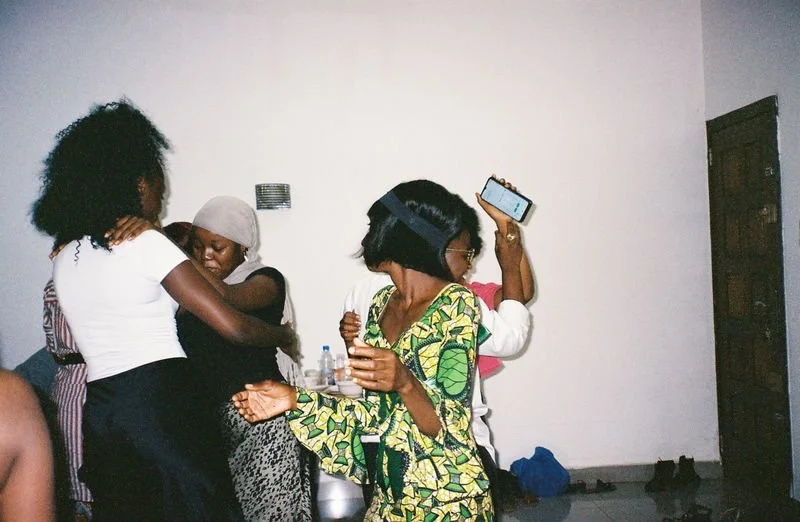
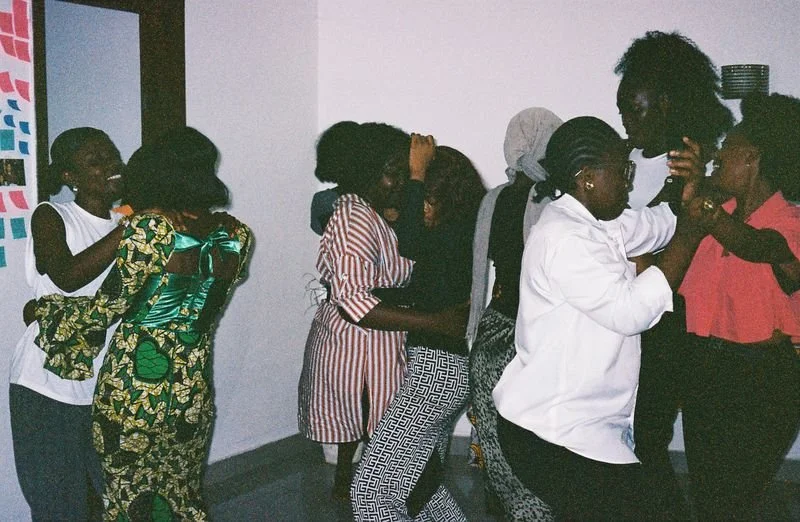
Women presented their creative process behind their photos and were provided with their prints free of charge. The project concluded with a focus group to reflect, glow, and celebrate as an entire group – and yes, there was lots of dancing!
Impact
Since the start of this work, women have created a larger peer-support group on campus that meets weekly. Women lauded the project for teaching them how to use their voice, share their experiences, and create space to listen-well to other women and girls.
Results
We presented findings and received feedback with UNESCO and the WHO AFRO Headquarters which can be found in both English and French. The findings will be soon published in a public peer-reviewed journal article, and the women’s photos will soon be permanently exhibited in an online exhibition with OurWave.
“I learned what to do with negative versus positive jealousy.”
“Participating in this project taught me how to speak up in community.”
“When it’s dark, I put on my light and shine—I am the sun.”
“This space has become a safe space for me to share openly.”
- One young woman’s reflection on her photographs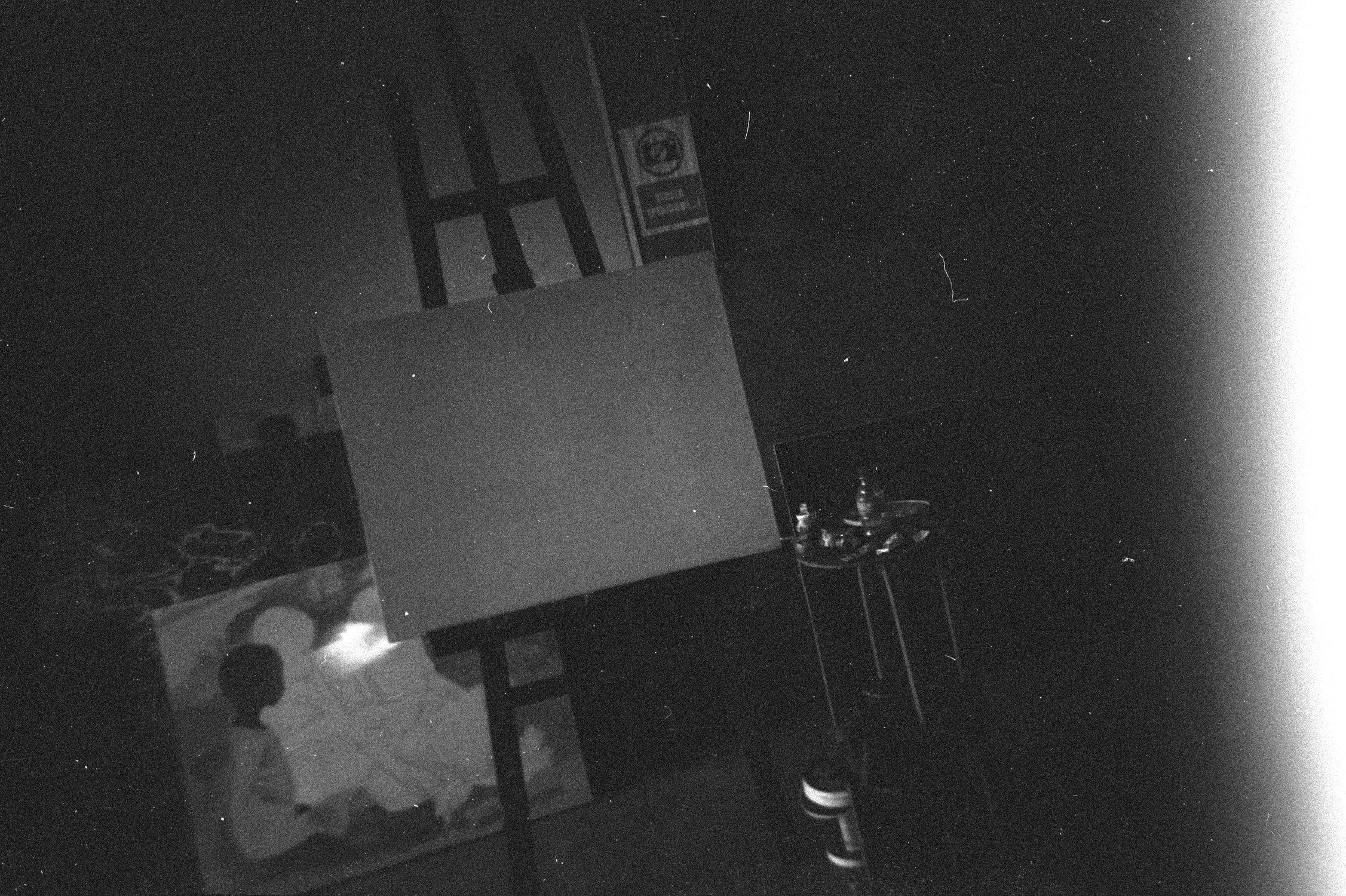
DESIGN: Improving and increasing safe spaces in AfricaCo-designing safe spaces* for women and their loved ones to breathe, recover, laugh, dance, and thrive.
As a movement, CONSOLATION aims to deconstruct colonial, western approaches of women’s shelters by co-designing spaces by and for survivors and ensuring that survivors are key leaders in every step of the design process.
*CONSOLATION does not confine the definition of “safe space” to one single definition. Instead, we allow women to define it for themselves. We encourage women to dream about what a safe space could mean for them. And we help their dreams become realities.
Current projectTrauma-informed Campus Housing for Young Congolese Women University Students.
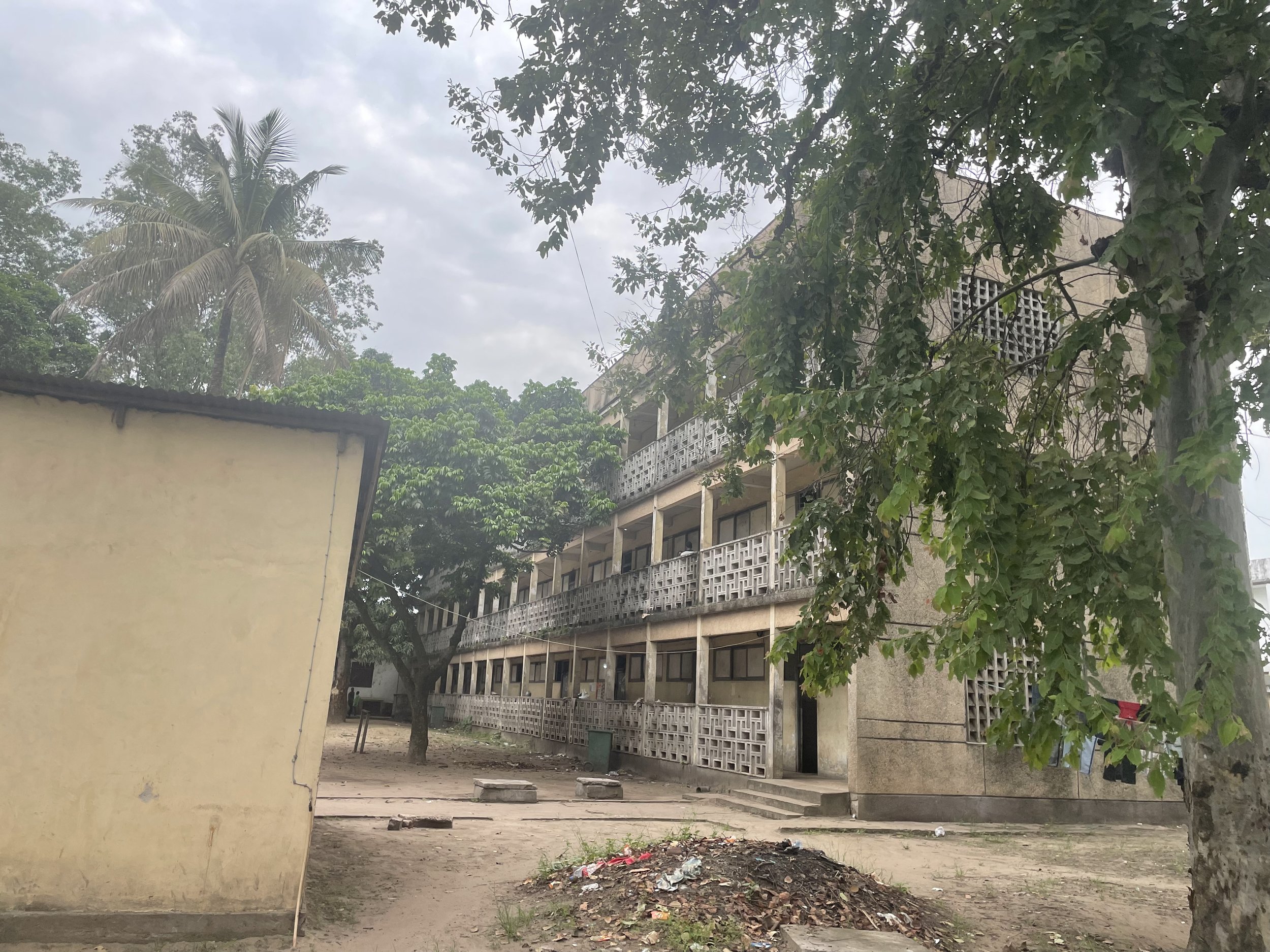
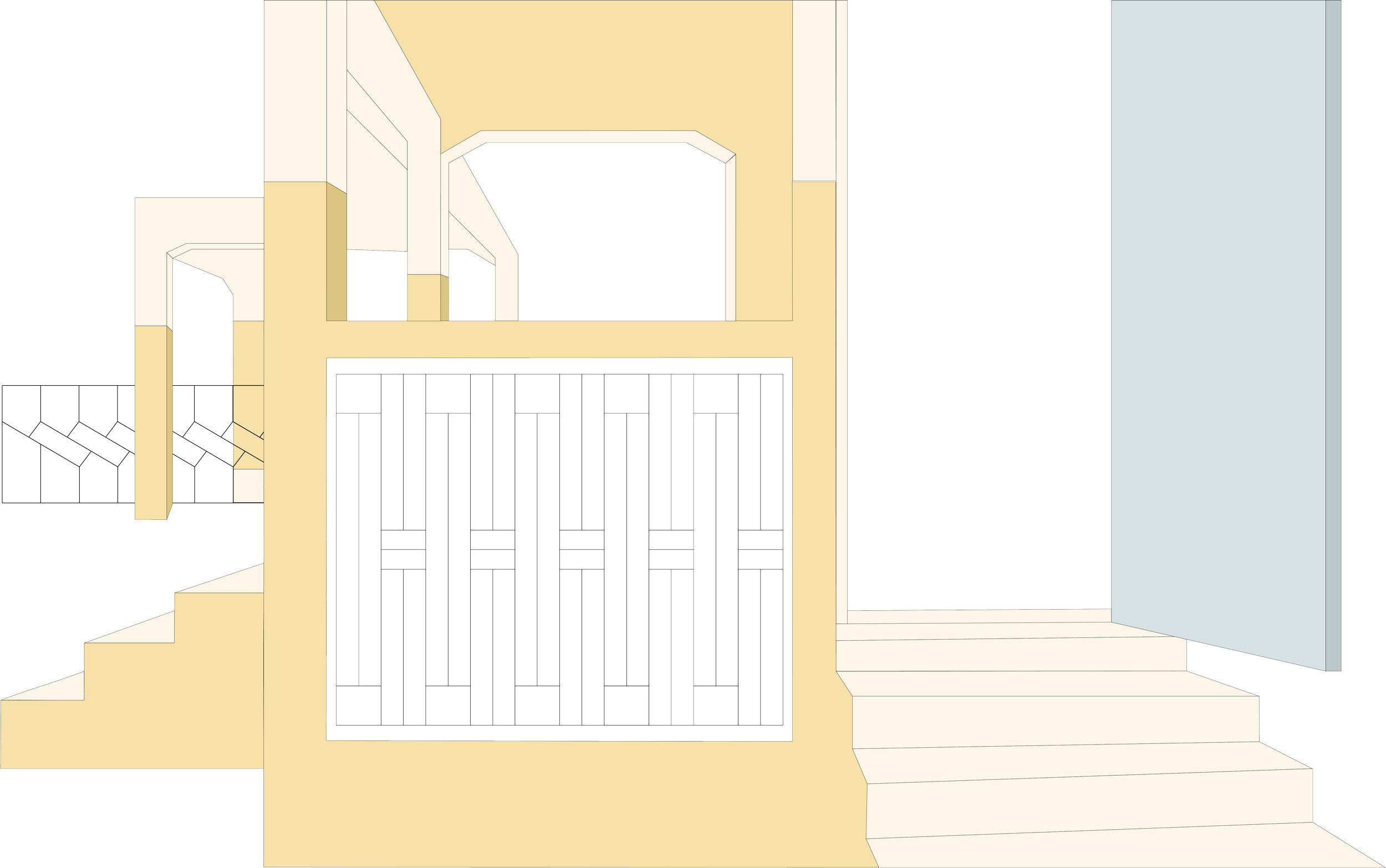
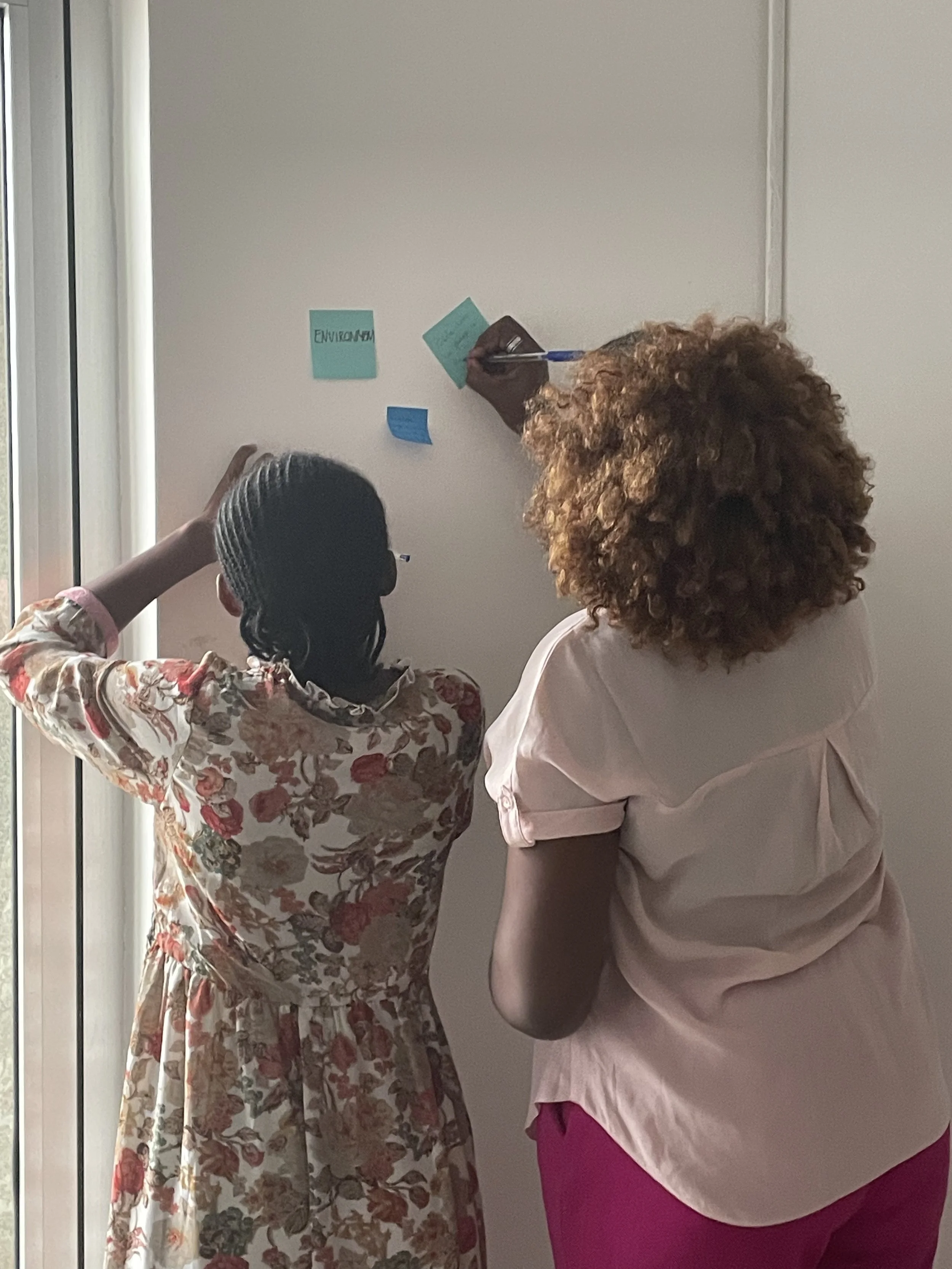
In response to the dire need for safe university housing unanimously voiced by women throughout the pilot study, we seek to continue the co-design process with Congolese students to conceptualize, design, and build a women-only campus housing centre.The project will be in partnership with the Ministry of the Promotion and Development of Women, the Ministry of Public Health in Congo, and SOS Femmes du Congo. By centering the lived experiences and voices of women, this housing centre will be the first of its kind–trauma-informed and Bantu proud.
“We want a space that brings us joy to live.”
“There are no doors, water leaks, and there’s no light for me to study in the evening.”
“The process to get a space in public housing on campus is so hard… you have to know someone.”
PREVIOUS PROJECT$10K Unrestricted Grant to the Botswana Gender-Based Violence Prevention and Support Centre (BGBVC) to Support the Construction of a New Shelter in Francistown, Botswana.
BGBVC lost 31% of their annual funding due the shutdown of USAID. They also witnessed intense femicide rates and increased threats to women’s safety and wellbeing. In 2025, we mobilized $10K in emergency funding to support the development of an additional women’s shelter to protect women in Francistown, Botswana.
“[Since the loss of USAID funding] we have women on the streets terrified for their lives!”
Impact
“The funds were received at a time when the organization's future was uncertain due to changes in the funding landscape. This support enabled the organization to sustain a skeletal staff and cover essential operational costs, ensuring minimal disruption to critical services for women and children experiencing gender-based violence (GBV). As a result, the organization was able to maintain continuity of care and continue providing vital support to those most in need. In addition to other outcomes the funding also enabled us to keep our three centres operational for several months.”
- Staff member at BGBVC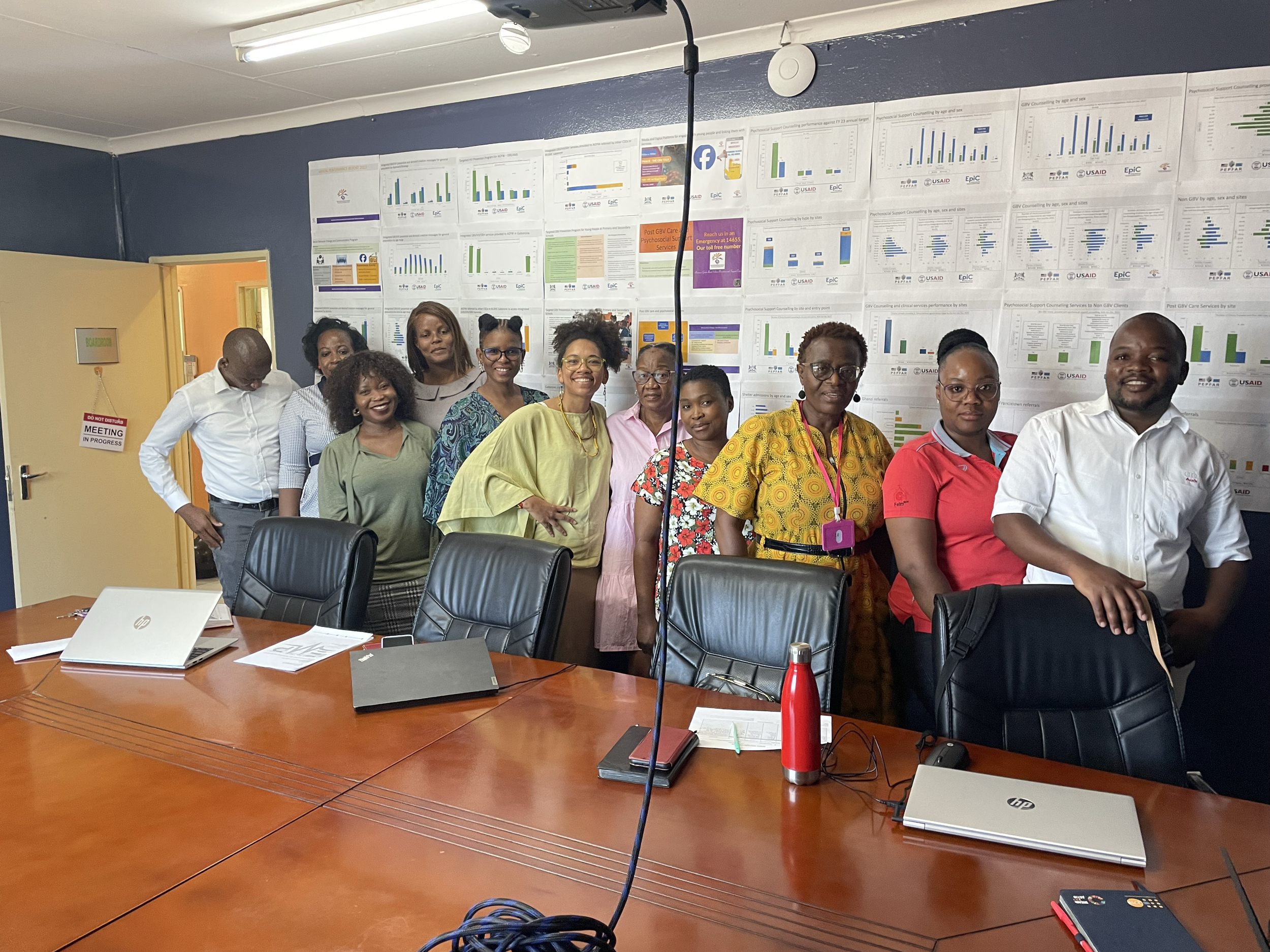
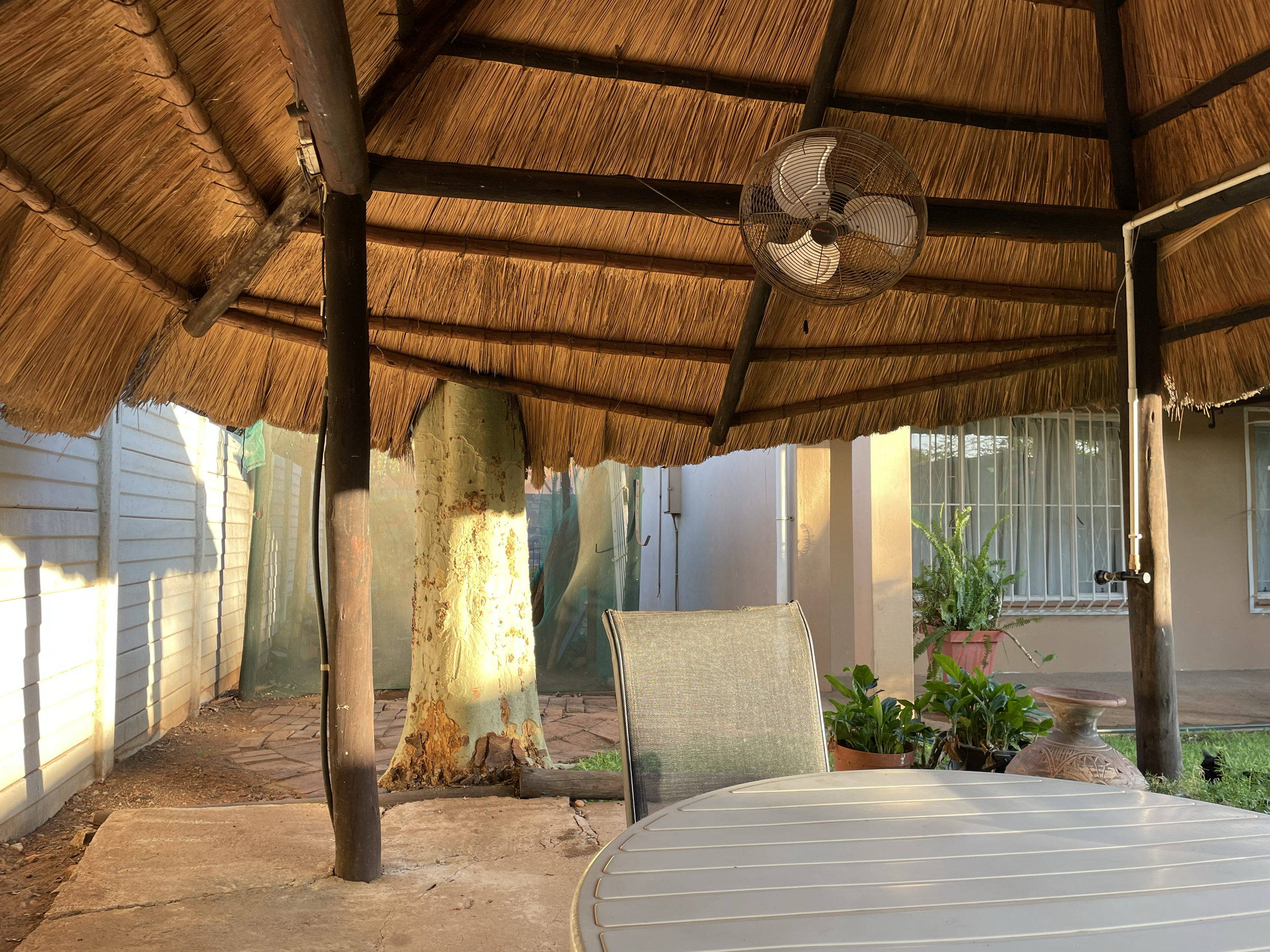
NARRATIVE CHANGE: Social Change with CommunitiesChallenge harmful social norms by working with communities to break cultural silence and stigma.
Imperative to ending violence against women involves galvanizing leaders in our community to break the cultural silence and stigma around gender-based violence, and challenging the oppressive narratives that have historically perpetuated its global phenomena.
Ending “the one in two” statistic: In solidarity with community partners, we are using storytelling to lift up the stories of women and challenge harmful social norms across Africa.
PREVIOUS WORK16 Days “Keep the Lights On” Social Media Campaign for Women’s Shelters in Cape Town, South Africa.
In response to a closure of over half of South Africa’s women’s shelters, we launched a 16-days social media campaign featuring a docuseries with the Saartjie Baartman Centre for Women and Children and the Callas Foundation to mobilize funding for women’s shelters in South Africa.
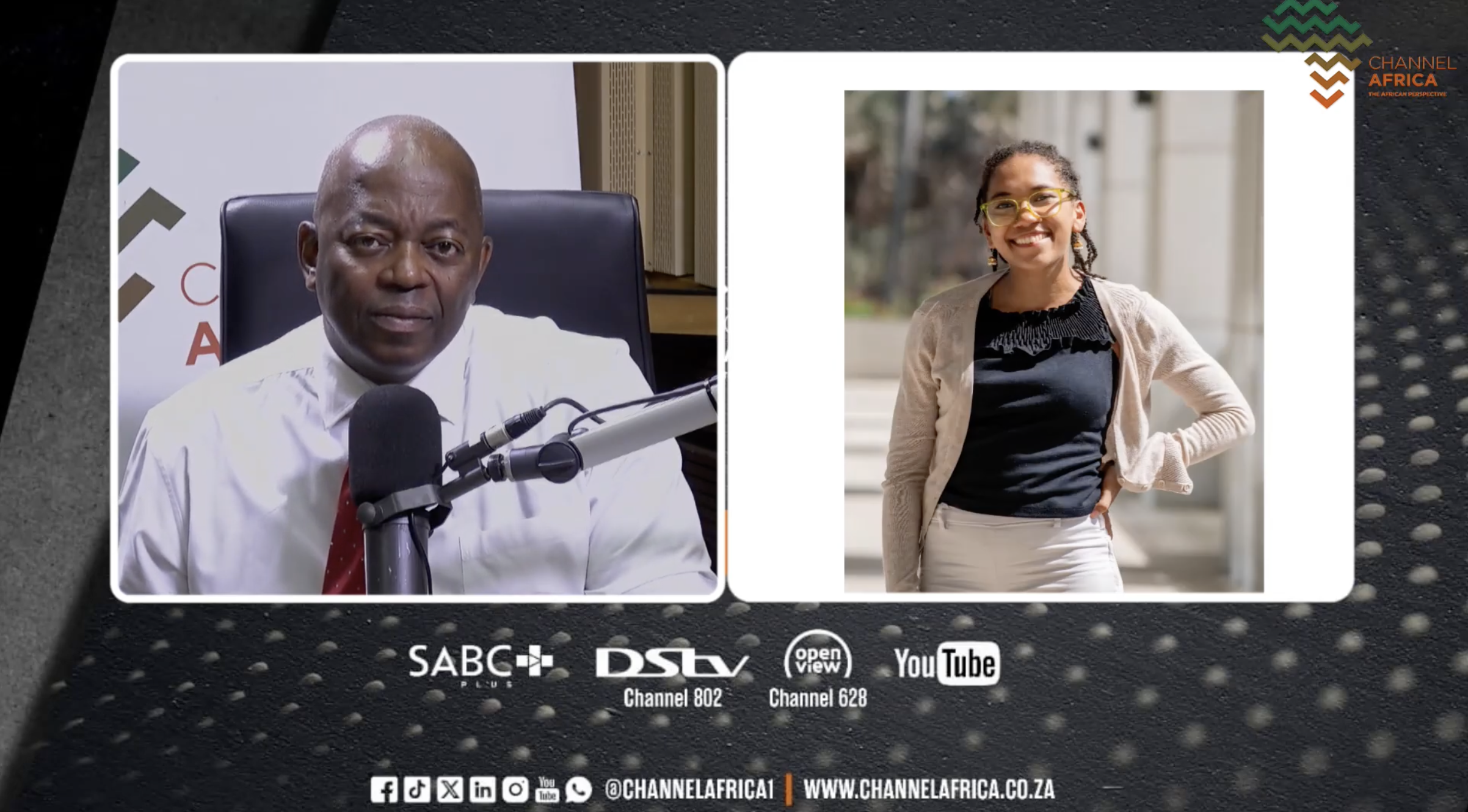
Through the campaign, we raised awareness around the risk of closure for shelters in South Africa by attracting over 3k views. The campaign was featured on Channel Africa and can be listened to here: Women & Children Left Vulnerable: Funding cuts push GBV shelters to the brink
ONGOING WORKT’es une star Documentary
Starring and directed by CONSOLATION’s founder, Celine Apollon, this short documentary captures her raw healing journey across five years. Upon completion, the film will be screened in various community spaces across Africa to educate young women and girls about violence and the importance of healing. To watch the latest trailer, please email a quick request here.
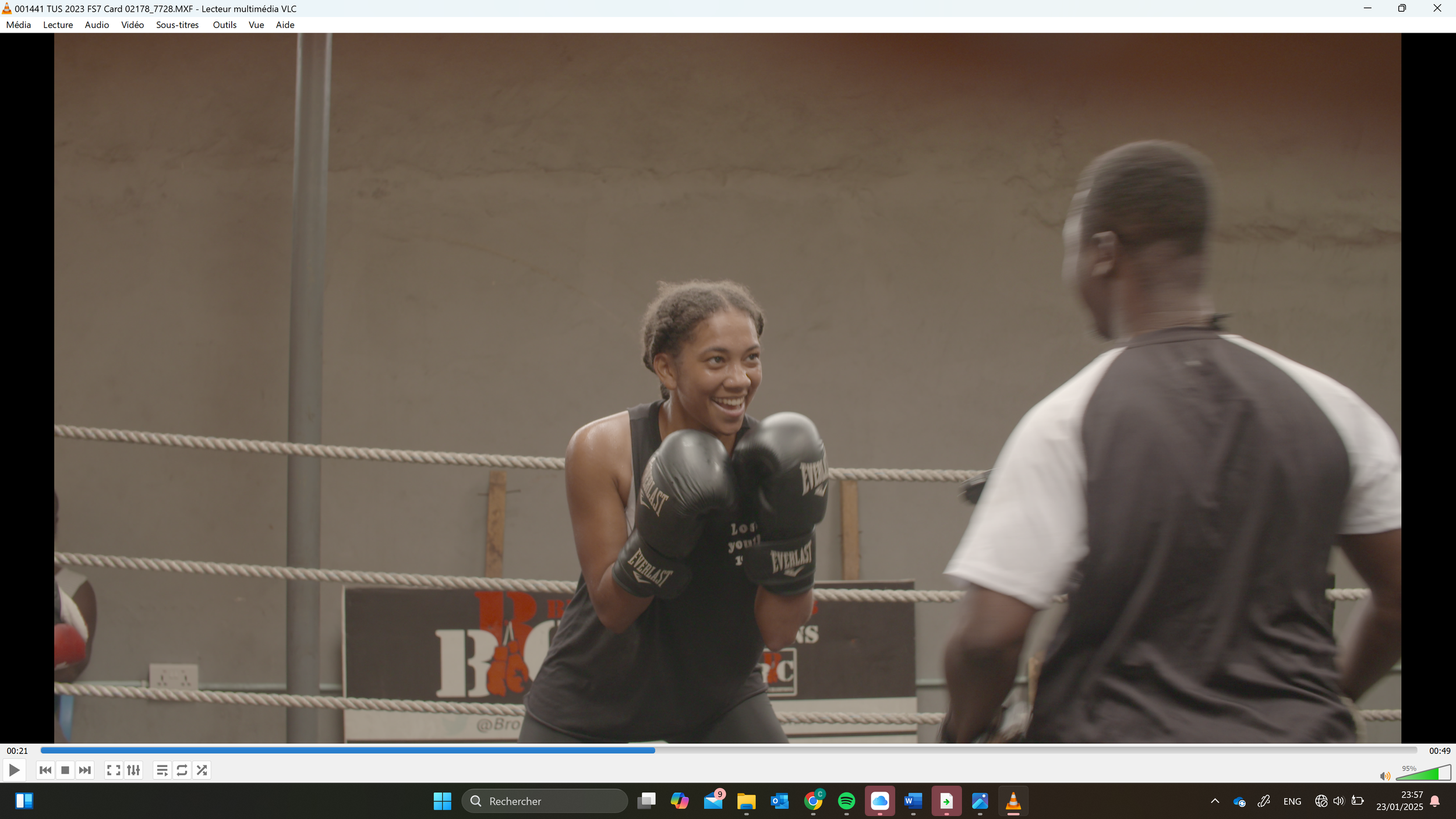
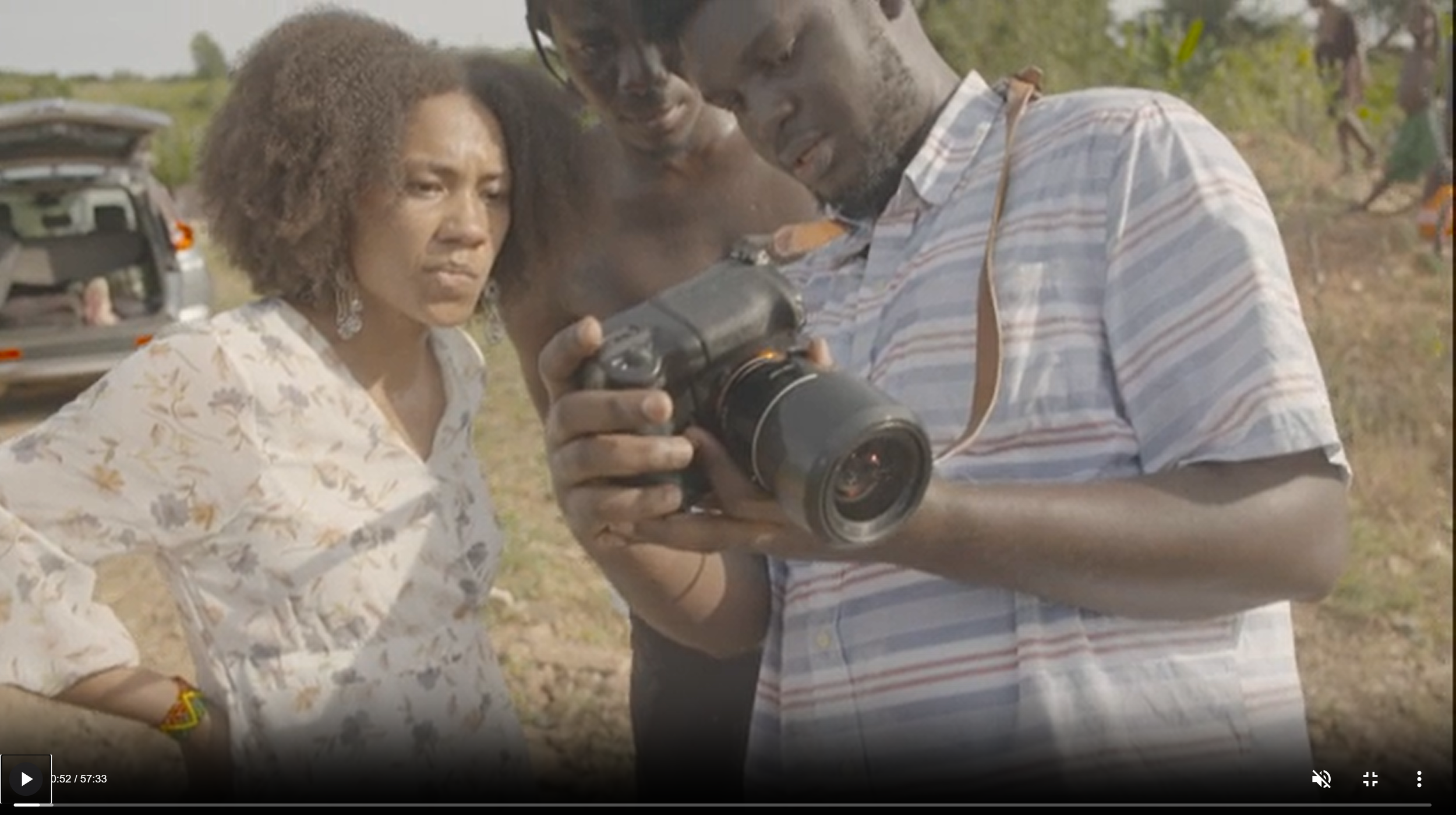
“My motivation for this film is to demonstrate that even after being abused and/or violated, you can laugh, cry, dance, and love— exhibiting and feeling all of the moments of living… enjoying every moment to the fullest.”
- Celine Apollon